20,000 Orders in 24 Hours: The Microduck Robot That Stole the Show
A viral demo of waddling AI robots at GTC Berlin has driven preorders to 20,000, positioning the device as a potential holiday sensation for adults and children alike.
By Aever Bundji ·
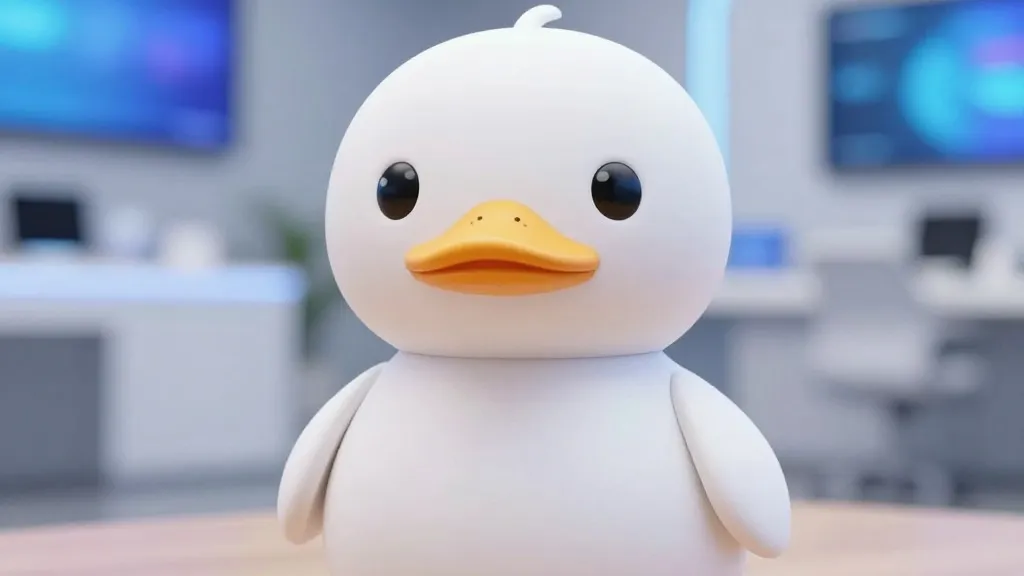
Preorders for the Microduck, a small autonomous robot, surged past 20,000 units within 24 hours of a high-profile demonstration at GTC Berlin. The rapid uptake follows a viral video showing Nvidia CEO Jensen Huang interacting with the devices on stage, where they performed basic maneuvers such as sitting, falling over for simulated naps, and executing somersaults in response to voice commands. The robots, which emit sounds reminiscent of the droid R2-D2, captured the audience’s attention with their waddling gait and playful behavior, leading to an immediate spike in consumer interest.
The device is manufactured by Pollen Robotics, a company that was acquired by Hugging Face in 2025. Because Hugging Face was subsequently purchased by Nvidia in September of this year, the Microduck is now effectively a product of the GPU giant. This acquisition marks Hugging Face’s second foray into robotic hardware, following the release of the Reachy Mini. The Microduck is designed as an open-source device, allowing for transparency in its construction and functionality, which may appeal to hobbyists and developers alongside general consumers.
The robots are powered by Nvidia’s technology stack, which was used to train their initial behaviors. During the development phase, simulations of the Microduck were taught fundamental tricks, including walking, sitting, and standing, which are pre-loaded into the unit at the time of shipment. Pollen Robotics emphasizes that the device is not limited to these preset actions; owners can train their individual robots to perform new tricks and subsequently share these custom behaviors with the broader community, fostering a collaborative ecosystem around the hardware.
Clem Delangue, a representative from Hugging Face, noted on social media that the preorder milestone was reached the day after the keynote. He suggested that the Microduck could become the best-selling robot of the year, a prediction he noted might not be limited to the traditional children’s toy market. Promotional materials for the device explicitly feature adults engaging with the robots, indicating that the target demographic includes grown-ups seeking interactive tech experiences rather than just young kids.
The timing of the launch is strategic, with deliveries expected to arrive in time for the Christmas holiday season. This window allows the Microduck to compete directly with other popular holiday gifts, potentially establishing itself as a top choice for the upcoming festive period. The device’s appeal lies in its blend of utility and entertainment, offering a tangible, physical interface to artificial intelligence that contrasts with the more abstract software applications typically discussed in the industry.
This launch provides a lighter note in an industry recently plagued by concerns over AI security. Earlier this week, the sector faced scrutiny as multiple cyberattacks were attributed to AI involvement, casting a shadow over recent developments. In contrast, the Microduck’s debut highlights the playful and accessible side of the technology, offering consumers a friendly entry point into the world of robotics without the complex implications that have dominated recent news cycles.
As the units begin to ship, the success of the Microduck will hinge on its ability to maintain its charm and functionality in real-world settings. With a substantial base of early adopters already committed, the device is poised to test the waters of the consumer robotics market. Its performance in the coming weeks will determine whether it achieves the status of a holiday hit or remains a niche novelty, but the initial reception suggests a strong appetite for this compact, interactive companion.
Source: TechCrunch