Apple Surges iPhone Duo Output to Meet Unprecedented Demand
The tech giant has raised its first-year shipment target to 14 million units after pre-order delays signaled massive consumer interest in its new folding device.
By Kavya Kapoor ·
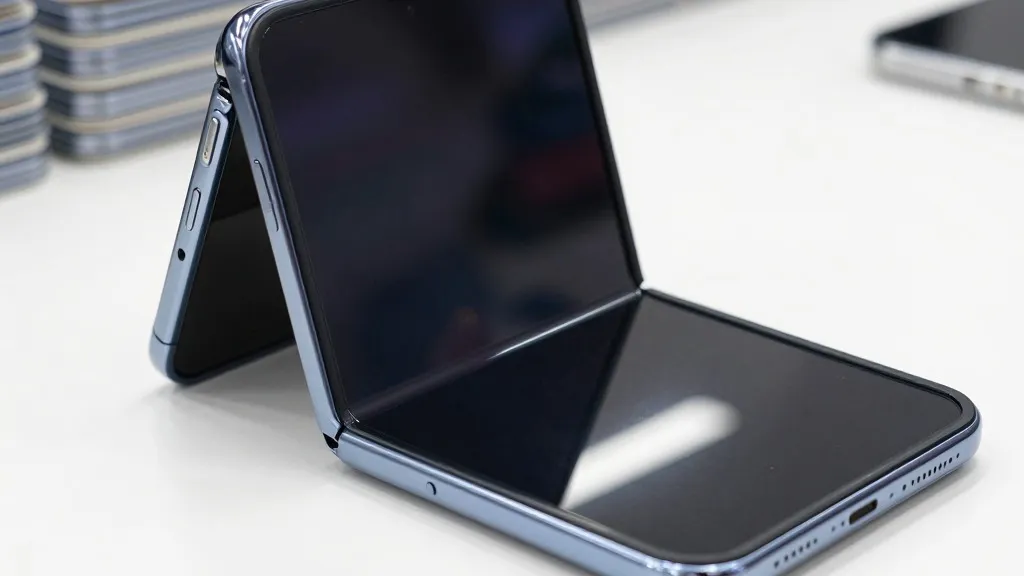
Apple has significantly increased production orders for its new iPhone Duo by more than 40 percent, a move driven by overwhelming consumer interest in the company's first folding smartphone. Supply chain reports indicate that the Cupertino-based firm is ramping up manufacturing to meet what executives have termed extraordinary pre-order demand. This adjustment signals a firm commitment to meeting market needs rather than addressing supply chain bottlenecks.
The initial surge in orders began on Friday when pre-orders opened to the public. Within minutes, customers noticed that estimated delivery dates had already slipped, with some extending into late January. At the time, it was unclear whether these delays were the result of high demand or logistical issues on the supply side. The latest reporting confirms that the former was the primary driver of the extended wait times.
Apple stated that the delays were due to the exceptional level of interest in the new device. While the company frequently uses similar language for standard iPhone launches, the scale of the response has been notable. To manage the influx and reduce the impact of scalping, Apple limited pre-orders to a maximum of two units per customer. This policy aimed to ensure broader access to the hardware during the initial rollout phase.
In response to the sustained interest, Apple has raised its shipment targets for the first 12 months. The company now projects delivering 14 million units, up from an initial estimate of 9.7 million. This increase reflects a confident outlook from the firm, which expects strong demand to persist throughout the launch period. The boost in orders places significant pressure on production lines to maintain quality while scaling up output rapidly.
Early adopters have already begun receiving their devices, though some were later provided with earlier shipping estimates than initially quoted. This adjustment aligns with the reported production ramp-up. As the hardware reaches more users, attention is turning to the software experience, particularly regarding third-party application compatibility. Many apps are not yet fully optimized for the new form factor, creating a temporary friction point for users.
Apple asserts that the situation is improving quickly as developers update their software for the new platform. Initial reviews based on a week of usage highlight app support as one of the key areas of focus. While the hardware has received attention for its design and features, the software ecosystem is currently undergoing a period of rapid adaptation to meet the needs of the new user base.
Another point of discussion in early reviews is the security features of the device. Critics have noted the transition to Touch ID as a potential step back from previous models. However, new reports suggest that Apple is already addressing this in future iterations. The company is reportedly testing prototypes of the iPhone Duo 2 with Face ID, indicating a plan to reintroduce the facial recognition system in the next version of the folding phone.
Source: 9to5Mac