AI Infrastructure: Trump calls for energy dividends to appease local communities
The President proposes that data center developers must return excess power to nearby residents to offset rising utility bills and improve public perception.
By Amy Swan ·
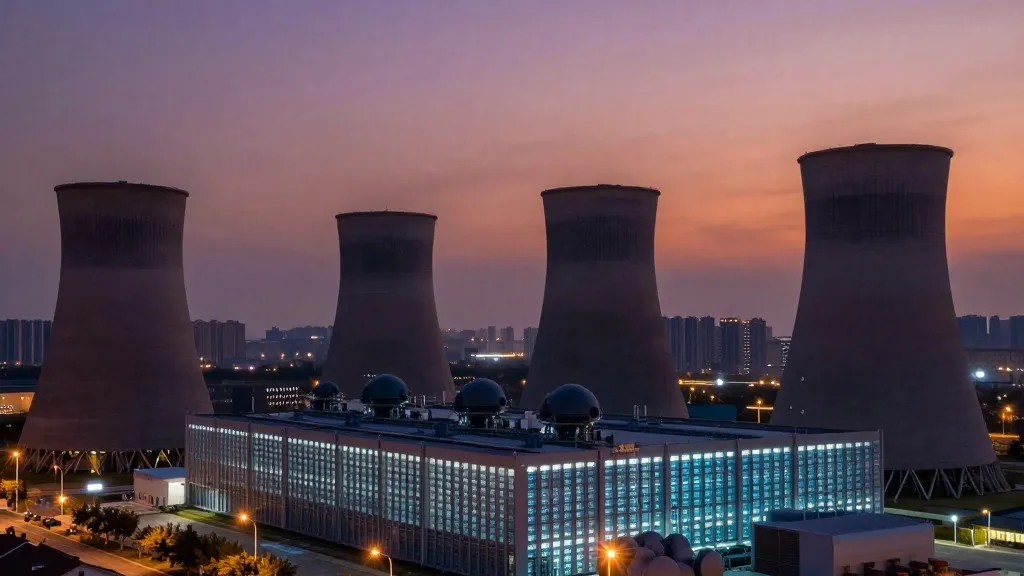
President Donald Trump has issued a direct call to action for artificial intelligence data center builders and hyperscalers. In a recent post on Truth Social, he demanded that these companies provide a financial or energy dividend to the local communities they impact. The goal is to help residents overcome rising electricity prices or even reduce their costs, making the presence of massive data facilities more acceptable to neighbors.
The President warned that data centers will soon face a mandate. This requirement goes beyond his previous stance that these facilities must generate their own electricity. Now, he asserts that any excess energy produced must be given back to or sold to the local community. This move aims to transform the dynamic from one of burden to one of mutual benefit for residents living near these sprawling operations.
Tensions have been mounting across the United States as communities protest the arrival of AI data centers. These facilities often have an outsized impact on small towns. Residents frequently cite rising electricity costs, noise pollution, water shortages, and air pollution as primary grievances. In some cases, deforestation is also a concern. These factors have made the construction of new centers a source of significant friction in many areas.
The administration is keen to stay ahead of China in the ongoing AI arms race. To that end, it is looking for ways to win back some favor from the public. By making data centers pay something back to affected communities, the government hopes to smooth the path for new construction. The practical details of how this dividend will work are not yet fully defined. Given the focus on electricity in the President's post, the dividend may take the form of partial payments toward rising utility bills. This would directly alleviate a pain point for many homes in the vicinity of these centers.
The Trump Administration has already ordered these companies to make their own electricity. A recently passed act further requires data centers to shoulder the cost of grid upgrades. This ensures that local taxpayers are not burdened with the expense of expanding infrastructure to support these facilities. Excess electricity from on-site generation could be used to lower costs for locals, potentially creating a tangible benefit for the community.
In his post, the President noted that data centers that were once highly unpopular in certain areas have become extremely popular when a financial deal is struck. He emphasized the need to make deals and get the facilities built. This rhetoric suggests a strategy of using economic incentives to reduce local resistance and accelerate the deployment of AI infrastructure across the country.
However, whether these dividends will be enough to win over skeptical communities remains an open question. The economic aspect is only one facet of a complex problem. Enormous water consumption, ecological damage, and pollution are still major challenges. These issues make AI data centers a difficult sell in almost any location, regardless of financial compensation.
There are also questions about the term dividend itself. Companies typically pay dividends only when they are profitable. New data center builds may not be profitable for some time as construction costs need to be recouped. Additionally, the type of power generation currently being installed in the short term is often gas-powered, which can be noisy and polluting. This may not be an immediate win for locals living very nearby, especially when compared to electricity from conventional power plants. Longer-term, cleaner generation options will take more time to come online.
Critics argue that without strict requirements, companies may follow the path of least resistance. The choice of words suggests a benefit that may not be fully realized due to operating costs and asset depreciation. As the administration pushes forward, the practical impact of this mandate on local communities and the broader AI landscape will be closely watched.
Source: Tom's Hardware