Tesla delays robot handoffs to late 2027 as mechanical hurdles persist
Elon Musk cited ongoing issues with the robot's hands and durability as reasons for pushing external Optimus deliveries back.
By Luis Fernandez ·
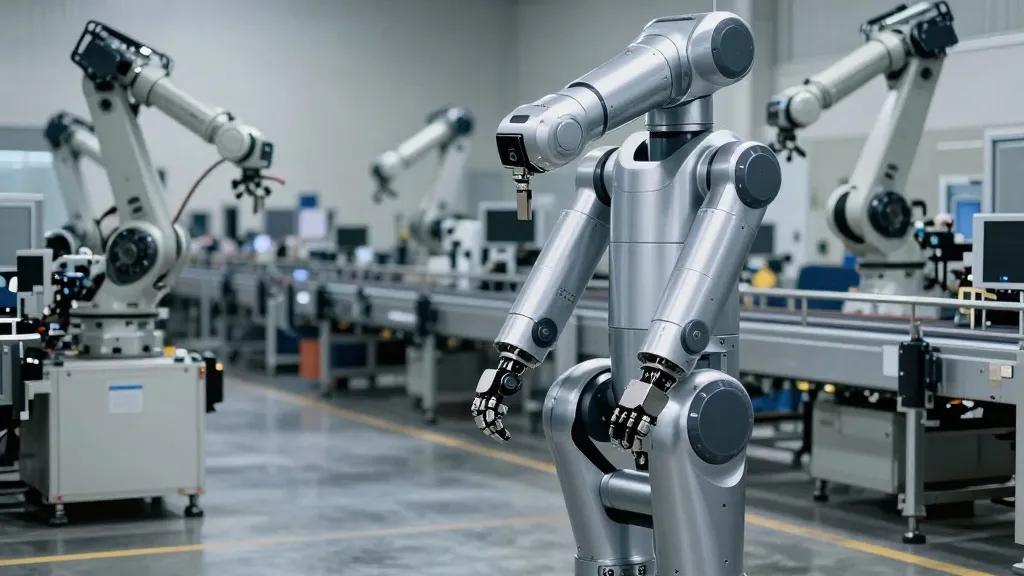
Tesla has pushed the timeline for delivering its Optimus humanoid robots to external customers to the end of 2027, a shift that underscores the persistent mechanical and software challenges facing the industry. During the Q3 2026 earnings call, CEO Elon Musk indicated that the robot’s hands, overall durability, and artificial intelligence capabilities require significant refinement before the company can reliably supply these units to outside businesses.
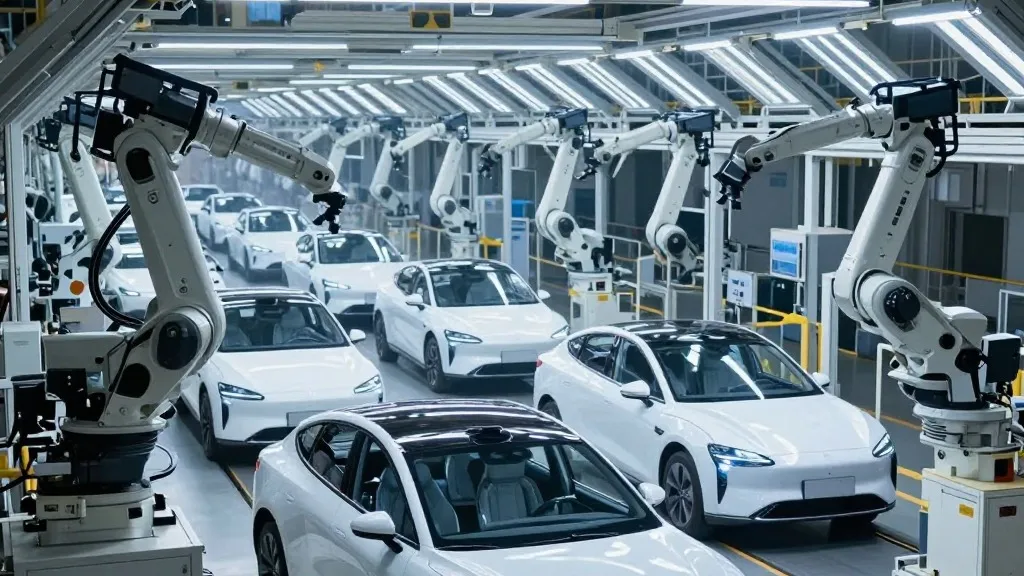
The company has initiated early production of Optimus on its high-volume line in Fremont, California, where it previously manufactured the Model S and Model X. While most of the infrastructure designed to support a potential million units per year is already installed, Musk noted that reaching that capacity will take at least another year, possibly longer. This extended timeline is due to ongoing design changes, with the robot’s hands identified as one of the most difficult hardware areas to perfect. The fingers must be soft enough to handle delicate items yet durable enough to withstand constant wear, a balance that remains elusive.
Beyond the mechanical design, Tesla faces distinct challenges with its AI architecture. Unlike the company’s automotive fleet, which continuously collects data for Full Self-Driving, Tesla does not yet have a large fleet of robots to gather real-world information. To address this gap, the company plans to manufacture between 10,000 and 20,000 robots for an internal "Optimus Academy" where they can practice various tasks. Additionally, Tesla intends to integrate its AI5 chip into the robots around April 2027 to enhance their processing capabilities.
This delay follows a pattern of shifting timelines for the Optimus program. In 2024, Musk suggested high-volume production for external companies could begin in 2026, and in early 2025, he predicted thousands of robots would be doing useful work by year's end. However, the company’s recent shareholder letter clarified that the units coming off the Fremont line are the first to be considered production-quality, implying that earlier models were not ready for commercial use.
Competitors in the humanoid sector are also grappling with similar obstacles, though they appear to be making steady progress. XPeng recently activated an automated production line for its IRON robot in Guangzhou, with mass production planned for the end of 2026 and deliveries beginning in the first half of 2027. Meanwhile, Boston Dynamics has begun producing its electric Atlas robot, with all 2026 deployments already committed to partners such as Google DeepMind and Hyundai. Boston Dynamics has taken a pragmatic approach to the hand design challenge, prioritizing sturdy industrial grippers over human-like dexterity.
While Musk maintains that no competitor is close to Tesla in developing a general-purpose humanoid, the industry landscape suggests a more competitive picture. The core difficulty for all manufacturers remains the same: creating robots that are reliable enough to pay for themselves and capable of generalizing to new tasks without extensive pre-programming. For Tesla, the next few months will be critical, as the company has promised a video demonstrating unscripted tasks. Whether this demonstration can validate the late-2027 delivery target remains to be seen, given the history of delayed milestones.
Source: Electrek