Tesla to build its own maps to fix FSD driving errors
The automaker is developing in-house mapping software to correct issues with speed limits and parking, marking a significant departure from its previous camera-only strategy.
By Ken Adams ·
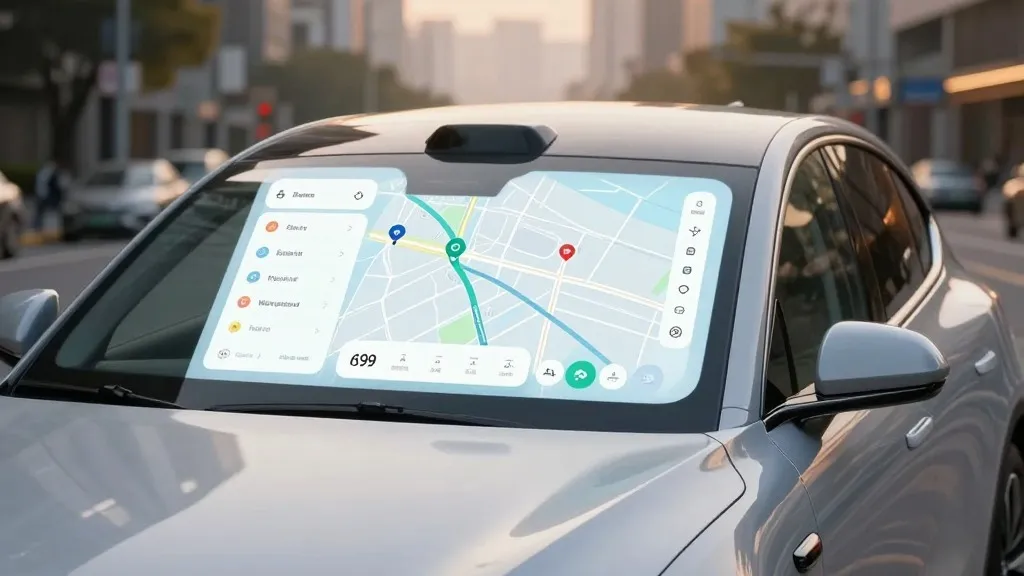
Drivers using Tesla's Full Self-Driving system can expect improvements in how the vehicle handles speed limits, parking, and route selection. The company is developing its own mapping software to address these common pain points, moving away from its reliance on third-party navigation data. This shift aims to make the driving experience more consistent and accurate for everyday users.
Tesla's VP of AI, Ashok Elluswamy, outlined the plan during the company's third-quarter 2026 earnings call. He stated that the new architecture will be fed by data collected from the company's fleet. The system is designed to learn from collective driving experiences while also adapting to individual driver preferences. It will also respond to voice commands to enhance user interaction.
The new technology will begin rolling out with FSD version 15. It will initially manage the start and end of trips. Over the following months, the system will take over navigation, parking, and destination handling. This phased approach allows Tesla to integrate the new mapping layer gradually into the existing software stack.
This move represents a notable change in Tesla's long-standing philosophy. In 2019, CEO Elon Musk criticized high-precision lane maps as a mistake that makes self-driving systems brittle. He argued that cameras and AI alone could solve driving problems without the need for detailed maps. At the time, he also dismissed lidar as a fool's errand. Now, the company is building a map layer to correct errors that its vision system struggles to fix on its own.
Recent data highlights the need for these improvements. A Belgian road safety group found that FSD sped in 55 percent of 30 km/h zones in Brussels. The vehicles averaged 44 km/h, often because the screens displayed an incorrect 50 km/h limit. In the United States, the NHTSA is weighing an investigation into claims that Tesla Robotaxis speed through active school zones. These incidents involve approximately 1,000 Model Y and Cybercab vehicles.
The new approach brings Tesla closer to the methods used by competitors like Waymo. Waymo uses sensor-equipped vehicles to map cities before launching driverless service. Tesla is now using its fleet to collect data that feeds a proprietary map. This strategy supports the company's Robotaxi service, which operates within specific geofenced areas. While Tesla is not building centimeter-level high-definition maps yet, the fleet-built system allows for increasing detail over time.
The decision to build internal maps addresses a core challenge in self-driving technology. While every serious self-driving program uses maps, Tesla's previous messaging suggested otherwise. By creating its own data-driven maps, the company aims to close the gap between its stated vision and its actual operational needs. This development may also influence the timeline for unsupervised FSD in consumer cars, which is currently targeted for the second quarter of 2027.
Source: Electrek